Guide
What Is Self-Trust Erosion?
By Angela DeGiaimo, LCSW · Therapist for overthinkers, New York State
Can I trust myself?
It isn't usually the question people bring to therapy.
They come because they're anxious. Burned out. Constantly second-guessing themselves. Stuck in perfectionism. Wondering whether they have ADHD.
But over time, a quieter question often emerges underneath those concerns:
Can I trust myself?
This page is my attempt to explore that question. Not a theory to convince you of — more like a lens I keep finding useful, and want to keep examining in the open.
What I mean by self-trust
Not confidence. Not self-esteem. Not “trusting your gut” in the vague, inspirational-poster sense.
Self-trust is treating your own thoughts, feelings, memories, and needs as meaningful information — instead of treating them as evidence that something is wrong with you.
When it's intact, an uneasy feeling is data worth looking at. A forgotten commitment tells you something about your systems, not your character. A flicker of hesitation before a decision is worth a pause, not a reason to override yourself immediately.
I've started thinking about this as self-trust erosion — what happens when your own signals get reclassified from information to suspects, and every read you have on your own life needs outside confirmation before you're allowed to act on it.
Most of us have been taught to evaluate our thoughts. We challenge them, question them, reality-test them, and sometimes we should. But many people I've worked with aren't struggling because they question themselves occasionally. They're struggling because questioning themselves has become the default response to nearly every internal experience. Before a feeling gets to be information, it has to survive cross-examination.
Why it matters
This isn't just an uncomfortable feeling to sit with. It's functional. When self-trust erodes, decisions take longer, boundaries get harder to hold, rest gets harder to justify to yourself, relationships get harder to read clearly, and therapy itself gets harder to use — every small sign of progress gets questioned before it has a chance to matter.
What I'm exploring here
A few of the questions I keep coming back to, and that the pieces on this page are each trying to answer from a different angle:
- Why don't I trust myself the way I used to — and where does that actually start?
- How does self-trust erode — what's the mechanism, not just the description?
- Does it erode the same way across different presentations, or do ADHD, anxiety, perfectionism, people-pleasing, and trauma each wear it down differently?
- What does rebuilding it actually require — and what doesn't work, even though it's commonly recommended (reassurance, for instance)?
- Where does this lens not apply? When is self-doubt accurate rather than eroded?
I want to be careful about scope here. I'm not proposing that ADHD, anxiety, perfectionism, and people-pleasing are secretly the same thing, or that self-trust erosion explains everything a person walks in with. It doesn't, and they're not. The histories, mechanisms, and treatment approaches differ, and those differences matter clinically. What I keep noticing is narrower: a lot of the people I work with, whatever brought them into the room, eventually find themselves standing in front of this same underlying question. That's worth taking seriously without overstating it.
Keep reading
The synthesis piece
- The Question Underneath the Diagnosis — where these threads come together (coming soon)
Different pathways into the same question
- I Found Out I Have ADHD at 38. Now What?
- Why People-Pleasing Erodes Self-Trust
- Why Perfectionism Erodes Self-Trust
- How Trauma Changes Self-Trust (coming soon)
On rebuilding it
On the limits of this lens
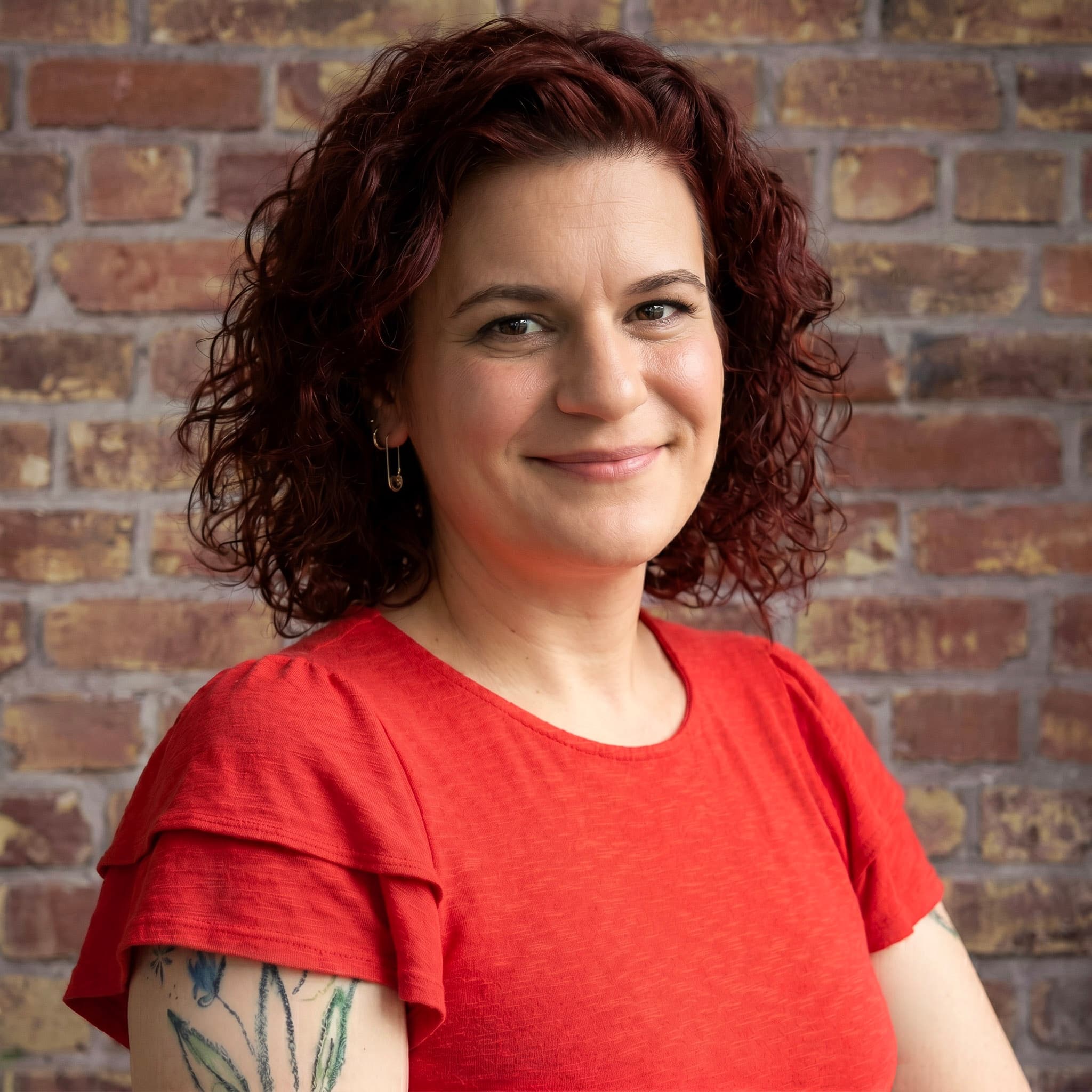
Angela DeGiaimo, LCSW
Angela is a therapist based in Brooklyn, NY specializing in anxiety, ADHD, people-pleasing, and the patterns that form when you've spent a long time pretending everything is fine. She has ADHD herself, which means she understands the experience from the inside. She works with adults via telehealth across New York State.