Anxiety
Why Rest Doesn't Feel Restful
By Angela DeGiaimo, LCSW · Therapist for overthinkers, New York State
Sometimes what's exhausted isn't your body. It's the constant effort of managing yourself.
You finally have a free afternoon. No plans, no obligations. You sit down. Maybe you put something on TV, or scroll for a while, or lie on the couch.
And you feel… tense. Vaguely guilty. Like you should be doing something. Like this doesn't count.
The rest is technically happening. The restful part isn't.
This is extremely common, and it's not a character flaw.
For a lot of people — especially people who tend toward anxiety, perfectionism, or high-functioning stress — the nervous system doesn't come with an off switch. Stillness doesn't feel like relief. It feels like exposure. Like all the things you were too busy to think about are now right there.
So the body is resting but the brain is running a different program: the to-do list, the low-grade worry, the sense that something is being neglected. Rest starts to feel like procrastination in disguise.
There's also a productivity-as-worth piece.
If you grew up in an environment where you were praised for what you produced — good grades, helpfulness, achievement, performance — you may have learned, without anyone ever saying it directly, that your value is located in your usefulness. Resting becomes uncomfortable not because you're lazy, but because you've disconnected rest from legitimacy. You haven't earned it. Or you have, but something in your nervous system hasn't gotten the memo.
This can be even more pronounced for people with ADHD, whose brains are genuinely wired to seek stimulation. Sitting still can feel like friction. Doing nothing triggers the restless dysphoria that makes ADHD so uncomfortable — not hyperactivity in the classic sense, but a low-level need for something to respond to.
What rest actually requires
For rest to feel restful, the nervous system needs to shift — not just the activity level. And that shift doesn't happen on command. It takes some practice, and often some help figuring out what your particular system actually responds to.
For some people, rest requires movement first — a walk, some physical release — before stillness becomes possible. For others, it requires something absorbing enough to quiet the monitoring part of the brain (a book, a show that requires attention). For others, the problem is that there's no real permission to rest — and that's a deeper thing to work through.
Why forcing rest doesn't work
Trying to relax on command runs into the same problem as trying to fall asleep by trying really hard to fall asleep. The effort itself keeps the monitoring system online. Telling yourself to relax is still a task, and the part of you assigned to complete it is the same part that was supposed to be resting.
This is why forced rest — the vacation where you can't stop checking email, the day off spent anxious about being unproductive — often feels worse than a regular day. You've removed the structure that usually manages the anxious energy without giving the nervous system anywhere else to put it. The stillness exposes what the busyness was covering.
Real rest tends to happen sideways, as a byproduct of something else, rather than as a direct target. Which is part of why simply deciding to relax rarely works on its own.
The part worth paying attention to
If rest consistently doesn't work for you — if days off leave you more anxious, if downtime fills with dread instead of recovery — that's information. It's worth asking what you're resting from, and whether the thing that needs rest is something a nap can actually fix.
Sometimes what's exhausted isn't your body. It's the constant effort of managing yourself, your emotions, other people's reactions, and your own inner critic simultaneously.
That kind of tired needs something different than a day off. If why you're reading into every text message also resonates, it's often the same vigilance — applied to signals instead of silence.
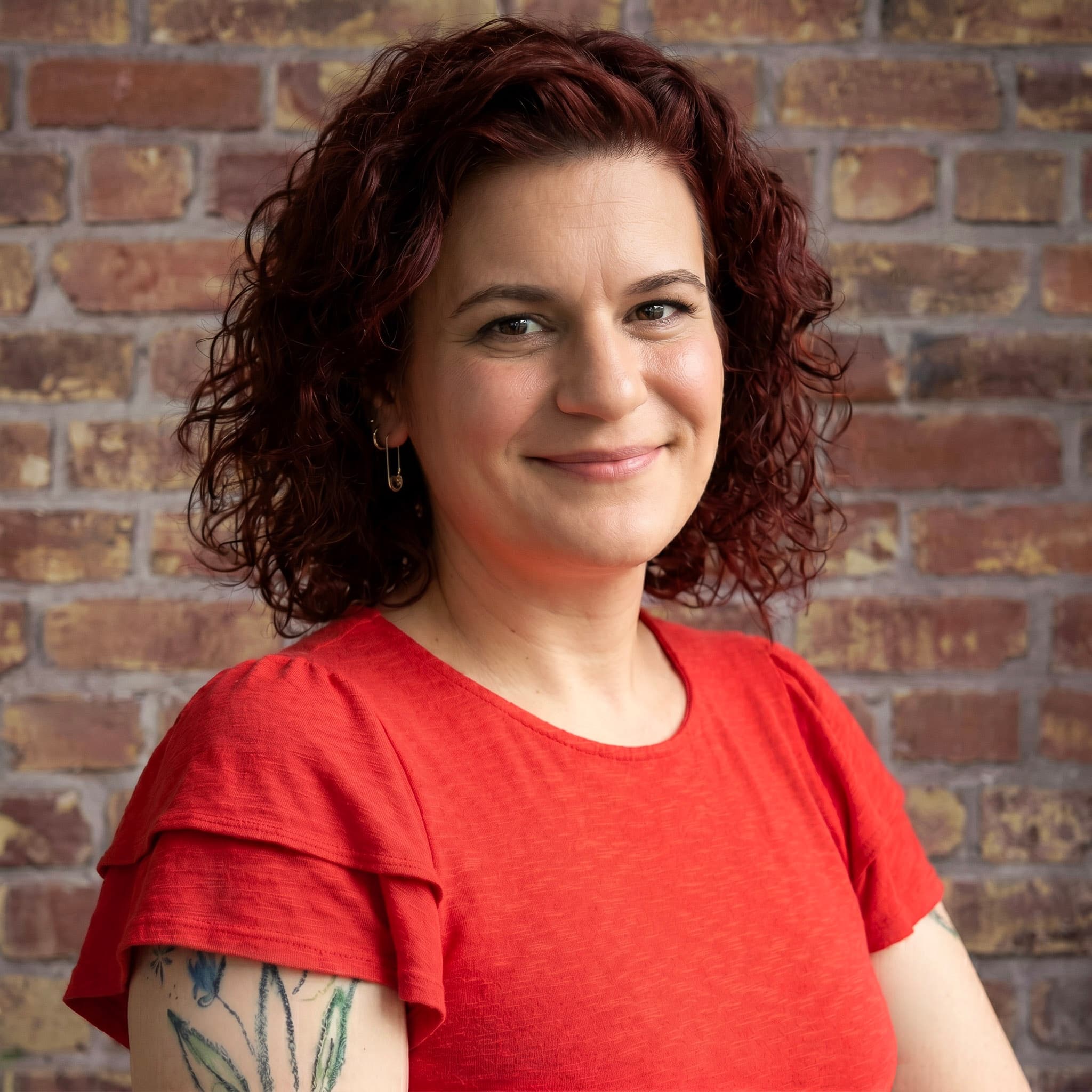
Angela DeGiaimo, LCSW
Angela is a therapist based in Brooklyn, NY specializing in anxiety, ADHD, people-pleasing, and the patterns that form when you've spent a long time pretending everything is fine. She has ADHD herself, which means she understands the experience from the inside. She works with adults via telehealth across New York State.